Every mechanical masterpiece hides some technical flaws. There might be a need for frequent manual winding, or perhaps you find automatic mechanical watches too bulky. Understanding the differences between automatic and manual mechanical watches is crucial. Both types of watches possess a unique aesthetic, but each has its own advantages and disadvantages. Understanding these two different types of watches will help you determine your needs. Explore the truth behind these legendary movements now. Your perfect watch-buying journey begins with this guide.
Why are there so many complaints about the sound of automatic mechanical watches? Specifically, they are usually noisier than manual-winding watches, and the rotating sound inside the movement is noticeable. This "rattling" sound can be distracting in a quiet environment, preventing consumers from appreciating the exquisite details of the complex gears. Most watch enthusiasts find this inability to clearly see the movement a rather disappointing drawback.
Automatic mechanical watches require specialized lubricants to maintain proper function and accurate timekeeping. This is because the rotor applies pressure to the tiny bearings. Neglecting regular maintenance can lead to accelerated wear and tear. Therefore, the watch must undergo a complete overhaul every five years. Furthermore, an automatic watch winder is often a necessary additional expense. As a result, the total cost of ownership can quickly increase. Many first-time owners often overlook these long-term financial outlays.
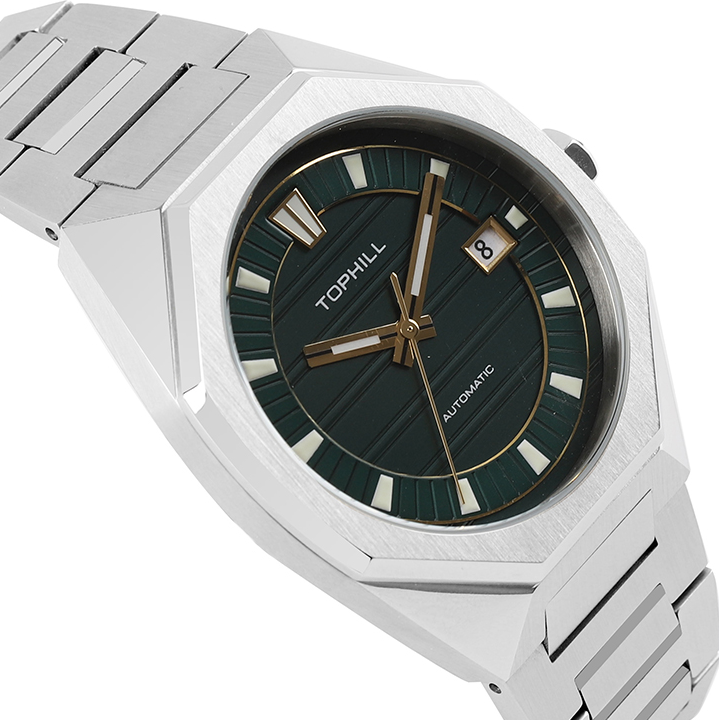
Imagine owning an ultra-thin and completely silent watch that can be easily worn under a slim cuff. A mechanical watch can offer you this classic experience. No more worrying about a heavy automatic rotor weighing down your wrist. Instead, you can enjoy the direct connection to the mainspring. Experience the professional pride that comes with the daily winding ritual. The watch will become an indispensable part of your morning routine. However, you must remember to wind it every day. If you forget to wind it one morning, your watch will stop working by midday. A deeper understanding will make your watch collection even more satisfying. High-end manual mechanical watches transform timekeeping into a tangible art form. You deserve a watch that matches your personal lifestyle. Choose the right movement and elevate your sense of style.
| Feature | Automatic (Self-Winding) | Manual (Hand-Wound) |
| Case Thickness | Usually Thicker (12mm+) | Ultra-Thin Potential (Under 10mm) |
| Ease of Use | Set and Forget | Requires Daily Winding |
| Movement View | Partly Hidden by Rotor | Full View of Decoration |
| Durability | Rotor Bearings Can Wear | Simple and Robust Gear Train |
| Weight | Noticeably Heavier | Light and Balanced |
Are mechanical watches cheaper to maintain? Because mechanical watches lack an automatic winding rotor, the repair process is simpler. Fewer parts mean less work time for the watchmaker. In the long run, you might save on labor costs. However, the crown seal on a manual mechanical watch wears out faster. Additionally, improper handling and overwinding can cause the delicate mainspring to break. Therefore, you must operate the crown carefully every day. Most traditional watch enthusiasts enjoy this challenge, but beginners might find it stressful.
The thinness of manual vs automatic watches is a major factor. Specifically, manual watches allow for elegant, "ultra-slim" luxury designs. You can wear them comfortably at high-end black-tie events. Therefore, they never snag on your expensive silk sleeves. Furthermore, the lack of a rotor makes them feel lighter. Consequently, your wrist feels less fatigued during long workdays. Most enthusiasts choose manual movements for pure aesthetic reasons. It is the purest form of the watchmaker's ancient craft.
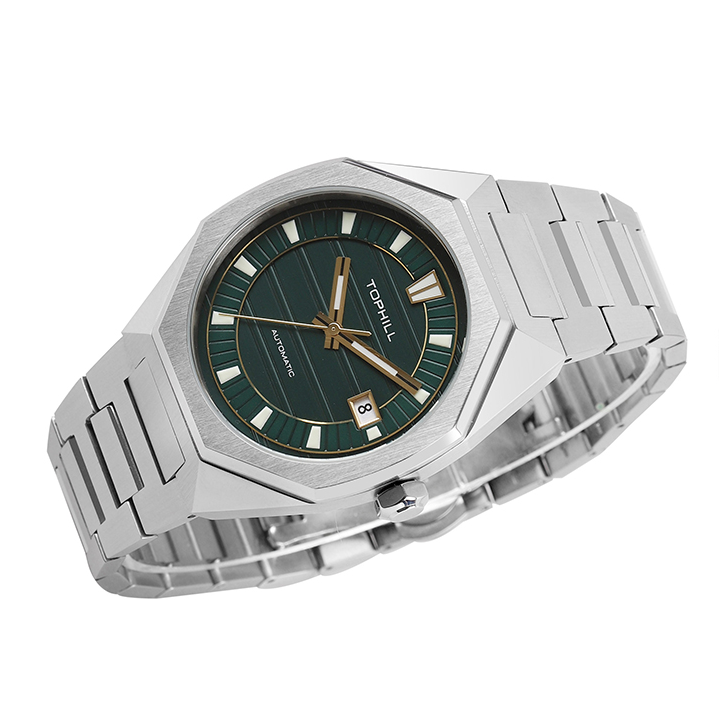
The watch market offers an unprecedented array of choices. But don't let a lack of information hinder your investment decisions. Browse our carefully curated collection of automatic and manual mechanical watches. We provide expert reviews for every movement we sell, along with worldwide shipping and warranty services. Take the first step towards building a timeless and classic wardrobe.
Check out our self-winding vs manual wind movement guide.
Browse our gallery of automatic luxury watches.
Inquire about the thinness of manual vs automatic watches.
Visit our official website to learn about our new product releases. Find the perfect balance between classic artistry and modern convenience. The future on your wrist begins with your choice. Pre-order your exclusive 2026 timepiece today!
A high-quality automatic vs mechanical watch decision is deeply personal. It reflects your habits and your appreciation for engineering. Make your choice as precise as a Swiss escapement. Your best collecting experience begins with honest technical facts.
Tags: automatic vs mechanical watch self-winding vs manual wind movement
 SeaGull ST19 Movement: History and Desig
 Why Choose the Best Quartz Watch for Bus
 What Makes the Best Watches for Diving R
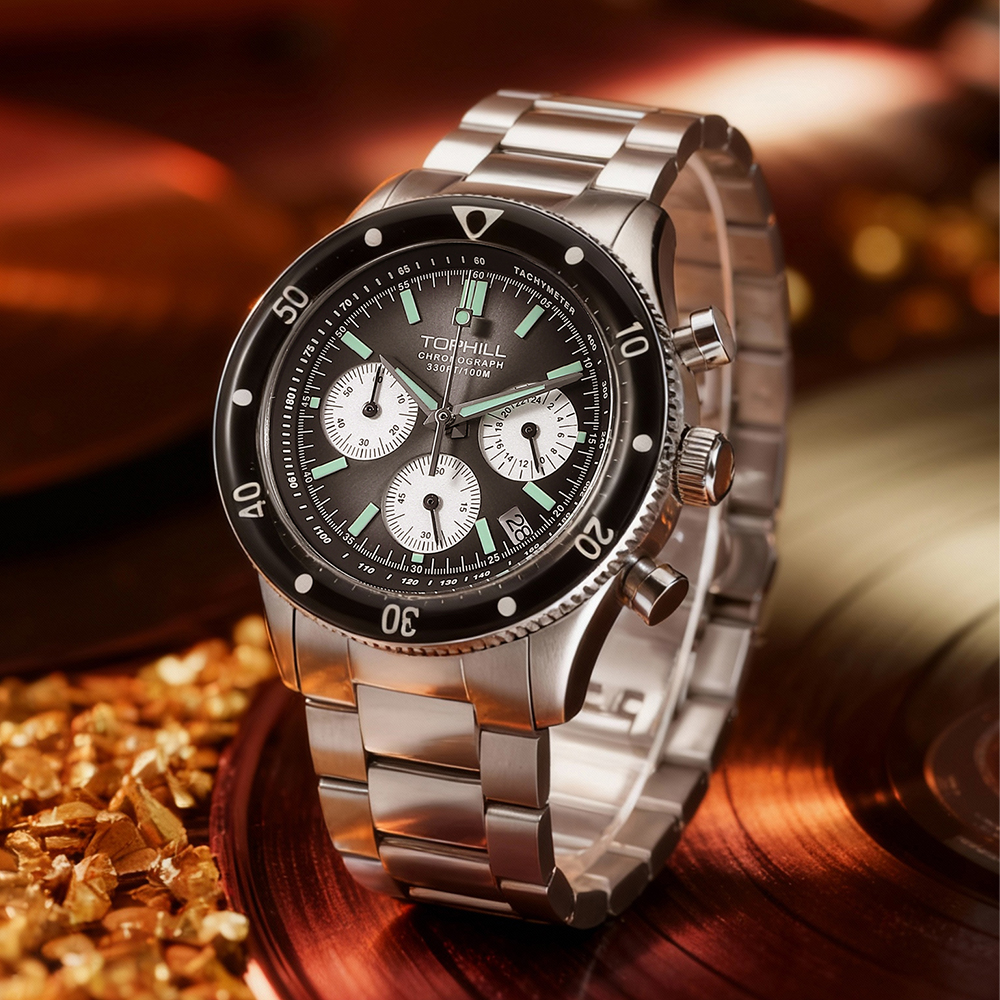 Can a Meca-Quartz Chronograph Deliver Me
Super Time