Every collector knows that a great watch starts with its case. Most modern luxury timepieces rely on stainless steel. However, not all steel is the same. Two grades dominate the industry: 316L and 904L.
While 316L is the industry standard, 904L is famous as "Oystersteel." Choosing between them affects durability, shine, and long-term value. This guide will help you identify these grades.
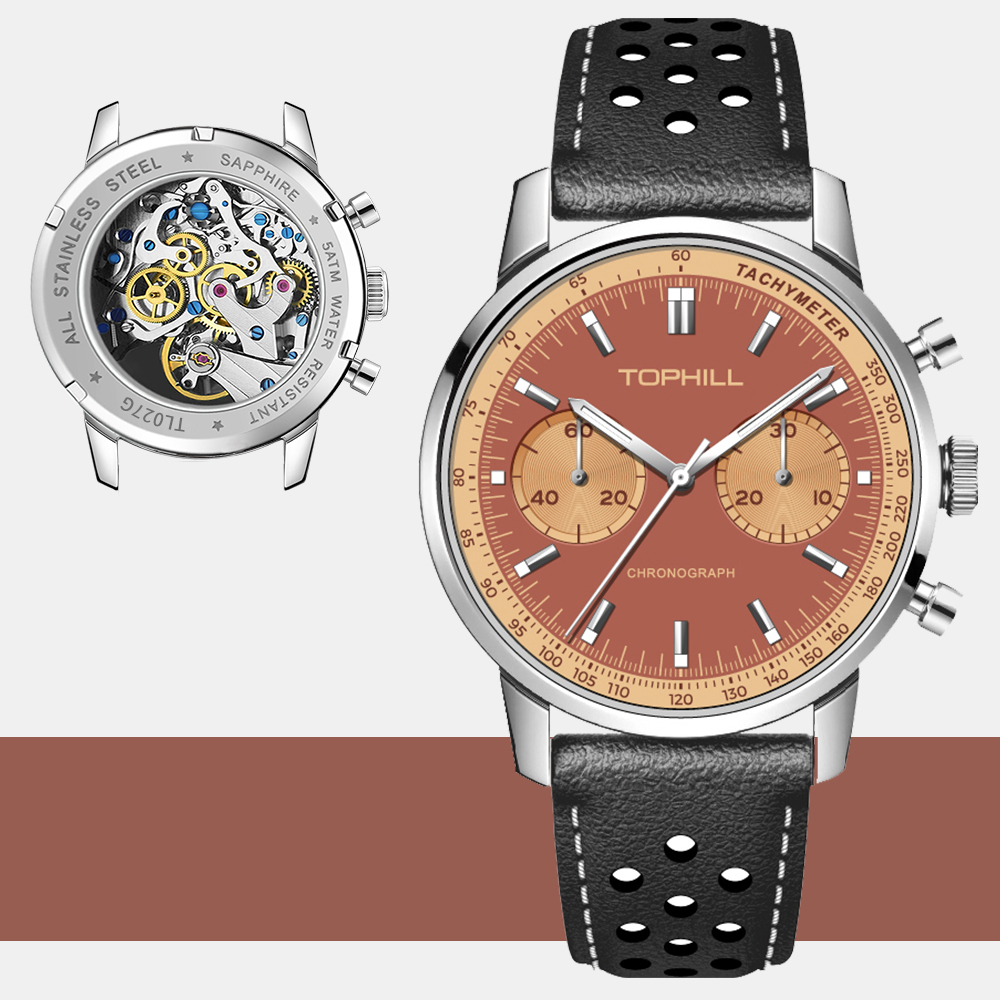
The most common material for a high-quality chronograph watch is stainless steel, 316L. It is often called "surgical grade" steel.
This alloy contains molybdenum, which prevents pitting from chlorides. It is highly resistant to sweat and moisture. Most importantly, it is easier to machine than harder alloys. This makes it affordable for both microbrands and luxury giants.
316L is incredibly tough and resists deep scratches well. It maintains a beautiful brushed or polished finish for years. For 95% of users, 316L provides more than enough protection. It is the reliable backbone of the watch world.
904L steel is a "super-austenitic" alloy. It was originally used in the aerospace and chemical industries.
Rolex began using 904L in the late 1980s. They branded it as "Oystersteel" because of its unique properties. It contains higher levels of chromium, nickel, and copper. This recipe makes it exceptionally resistant to acids and seawater.
The primary reason for its luxury status is the "bling." 904L takes a higher polish than 316L. It has a slightly whiter, brighter hue that catches the light beautifully. If you want a watch that "pops" on the wrist, 904L is the winner.
Understanding the chemical differences helps you make an informed choice.
| Feature | 316L Stainless Steel | 904L Stainless Steel |
| Common Name | Surgical Grade | Oystersteel / Super Alloy |
| Corrosion Resistance | Excellent (Great for pools) | Superior (Best for seawater) |
| Nickel Content | 10–14% | 23–28% |
| Appearance | Typical steel grey | Brighter, whiter glow |
| Hardness (Rockwell) | ~78-90 HRB | ~85-90 HRB |
| Ease of Polishing | Standard | High-gloss potential |
| Price Point | Mid-range | Premium / Luxury |

Identifying stainless steel watch grades can be tricky. Most brands do not engrave the grade on the case back.
Always start with the official website or warranty card. Luxury brands using 904L will always mention it in their marketing. If it simply says "Stainless Steel," it is likely 316L.
Place the watch under a bright LED light. 904L steel often has a more reflective, mirror-like quality. 316L has a slightly warmer, darker grey tone. However, this takes a trained eye to spot.
If you dive in the ocean often, watch for "pitting." This looks like tiny black dots in the crevices. 316L is great, but 904L is almost immune to this. If your vintage watch looks brand new after years of salt, it might be 904L.
Which stainless steel chronograph watch should you buy?
Choose 316L if you want a durable, everyday "tool watch." It is easier to repair and refinish. It also contains less nickel. This is better for people with sensitive skin or metal allergies.
Choose 904L if you want the pinnacle of luxury. It is perfect for professional divers who spend days in salt water. It is also for those who love a high-gloss, prestigious finish. Just be prepared to pay a premium price for it.
Regardless of the grade, your watch needs care.
Rinse After Saltwater: Always wash your watch in fresh water after swimming.
Use a Microfiber Cloth: Wipe the case weekly to remove skin oils.
Professional Polishing: Only let experts polish 904L cases. They require special tools due to the alloy's toughness.
Check Gaskets: Steel resists rust, but water can still enter through old seals.

Both 316L and 904L are elite materials. They ensure your chronograph watch stainless steel case lasts a lifetime.
Identifying high-quality steel is about understanding your own needs. 316L offers incredible value and toughness. 904L offers unmatched brilliance and acid resistance. Whichever you choose, you are investing in a masterpiece of engineering. Enjoy the weight and the shine on your wrist!
Tags: Chronograph watch stainless steel 316L vs 904L steel Luxury watch materials Best steel for watches Corrosion resistant watch steel.
 SeaGull ST19 Movement: History and Desig
 Why Choose the Best Quartz Watch for Bus
 What Makes the Best Watches for Diving R
 Can a Meca-Quartz Chronograph Deliver Me
Super Time